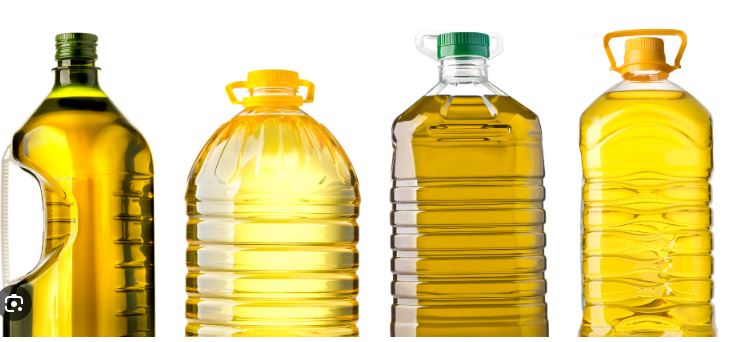
More people are becoming aware of the impact that industrial seed oils have on their health. Oils such as soybean, canola, corn, sunflower, safflower, cottonseed, and grapeseed are used in nearly all processed and fried foods. They are produced with high heat, chemical solvents, and heavy industrial processing that damages the fats and makes them unstable.
When these oils are heated again during cooking, they form oxidised compounds that increase inflammation in the body. Many people notice bloating, sluggish digestion, skin issues, and general discomfort after eating foods containing these oils. Reducing or removing them is becoming a key step toward lowering long-term inflammation and supporting overall wellness.
How Seed Oils Affect Gut Health and the Microbiome
The inflammation triggered by seed oils does not stop in the digestive system. It affects the gut lining, which then disrupts the balance of beneficial bacteria living in the microbiome. These bacteria are essential for digestion, immune strength, energy levels, and even mood. When inflammation increases, harmful bacteria can multiply more easily while the helpful ones struggle to survive. This creates a cycle where poor gut health and rising inflammation keep feeding into each other. Removing seed oils helps break this cycle and gives the microbiome a chance to stabilise and recover.
The Role of Probiotics and Prebiotics in Repairing the Gut
Supporting the microbiome becomes especially powerful when seed oils are removed from the diet. Probiotics introduce friendly bacteria into the gut, helping restore balance and improve digestion. Prebiotics act as food for these good bacteria, allowing them to grow stronger and more diverse.
Once the gut has fewer irritants and more support, it can begin to repair itself. People often notice smoother digestion, better nutrient absorption, and fewer symptoms like gas or bloating. By pairing the removal of seed oils with the addition of probiotics and prebiotics, the gut can rebuild much more effectively.
The Benefits of Replacing Seed Oils with Natural, Stable Fats
To support the microbiome and reduce inflammation, it helps to replace seed oils with healthier, more stable fats. Oils such as extra virgin olive oil, avocado oil, and coconut oil are far less processed and do not form harmful compounds when heated. Butter and ghee are also well tolerated by many people and provide nourishing fats that the body uses easily. These natural fats support hormone balance, brain function, and metabolism without placing stress on the gut. When combined with microbiome-supporting habits, these swaps create a calmer and more resilient digestive system.
How Removing Seed Oils and Supporting the Microbiome Transforms Overall Health
Taking out harmful oils while strengthening the microbiome creates a powerful combination that affects the entire body. With less inflammation and a healthier gut, energy levels rise, skin becomes clearer, and the immune system becomes more balanced.
Since most of the immune system sits in the gut, improving microbiome health helps the body manage stress, fight illness, and maintain stability. People often feel lighter, clearer, and more energised once they make these changes. It does not need to be complicated; small daily choices, more home cooking, and regular microbiome support can completely transform long-term health.
A summary
Removing seed oils from your diet is one of the fastest ways to calm inflammation, restore balance in your gut, and boost your immune system. When you pair this with microbiome support—like probiotics and prebiotics—you give your digestive system exactly what it needs to repair, rebalance, and thrive.
Your body absorbs nutrients better, your energy lifts, your skin improves, and your immune system becomes stronger. Small changes in daily fats and gut support can create a big transformation in how you feel, think, and function.