
Low libido, or reduced interest in sexual activity, is a common concern that can affect people of all ages and genders. Sexual desire is influenced by a combination of physical health, emotional wellbeing, lifestyle habits, and relationship dynamics.
Rather than focusing on quick fixes, many people choose to support libido naturally through everyday habits, stress management, emotional connection, and carefully selected nutritional ingredients. This article explores practical lifestyle strategies and well‑known natural ingredients that are commonly included in libido‑support routines.
Support Physical Health
Regular Physical Activity
Exercise plays an important role in overall vitality, energy levels, and mood. Regular movement supports healthy circulation and helps manage stress—both of which are closely tied to sexual wellbeing.
Activities such as walking, cardiovascular exercise, strength training, yoga, or stretching can be helpful additions to a balanced routine when practiced consistently.
Balanced Nutrition
Diet contributes to energy production, hormonal balance, and overall physical comfort. A nutrient‑dense diet that includes fruits, vegetables, whole grains, lean proteins, and healthy fats supports general wellbeing.
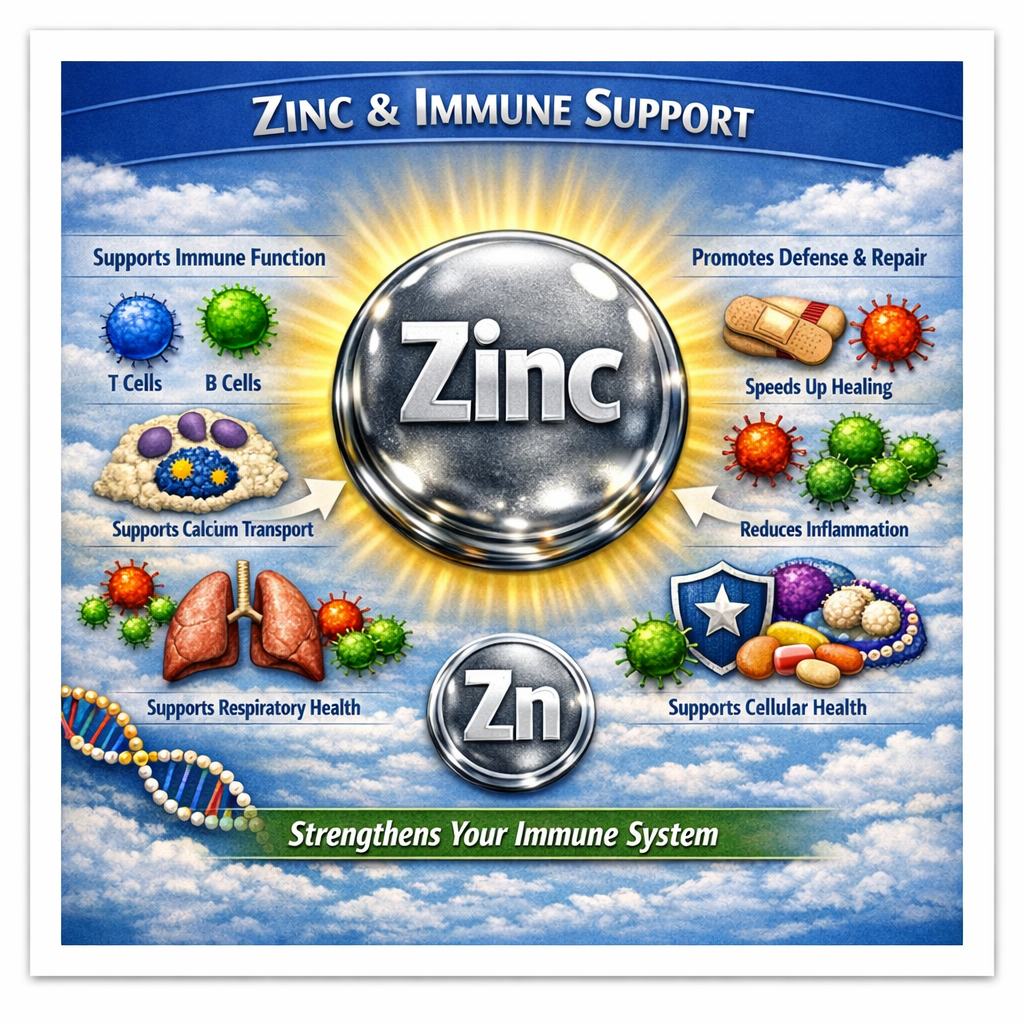
Minerals such as zinc and magnesium, along with antioxidants from plant foods, are often discussed in relation to vitality and normal physiological function.
Adequate Rest and Recovery
Sleep plays a foundational role in energy, mood regulation, and hormonal balance. Inconsistent or inadequate sleep can affect motivation and overall wellbeing.
Many adults aim for 7–9 hours of quality sleep per night to support daily energy levels and physical balance.
Manage Stress and Mental Wellbeing
Stress Awareness
Ongoing stress can affect mood, motivation, and physical comfort. Incorporating calming activities such as breathing exercises, mindfulness, gentle movement, or time outdoors can help support emotional balance.
Reducing stress often contributes to a more relaxed state, which is important for sexual wellbeing.
Emotional and Mental Support
Mental health and sexual wellbeing are closely connected. Low mood, anxiety, or ongoing emotional strain can influence libido.
Supportive options such as counselling, therapy, or stress‑management practices can be valuable tools for addressing emotional factors that affect intimacy and desire.
Foster Emotional Connection
Open Communication
Healthy communication plays a key role in intimacy. Sharing thoughts, preferences, and concerns with a partner can help build trust and emotional closeness, which often supports physical connection as well.
Rekindling Everyday Romance
Small actions—such as quality time, shared experiences, or affectionate gestures—can help strengthen emotional bonds. Creating space for connection outside the bedroom often supports overall relationship satisfaction.
Natural Ingredients Commonly Used in Libido‑Support Routines
In addition to lifestyle changes, some people include botanical or nutritional ingredients traditionally used to support energy, vitality, and balance. These ingredients are not medicines, but they are commonly found in supplements formulated for sexual wellbeing.
Ginseng Extract
Ginseng has a long history of traditional use related to energy and stress balance. It is often included in formulas aimed at supporting vitality and overall wellbeing.
Ganoderma Lucidum (Reishi Mushroom) Extract
Reishi is considered an adaptogen and is traditionally used to help the body adapt to stress. By supporting calmness and balance, it is sometimes included in holistic wellness routines.
L‑Arginine
L‑Arginine is an amino acid involved in nitric oxide pathways, which play a role in normal circulation. It is commonly included in products designed to support physical performance and vitality.
Calcium Ascorbate (Vitamin C)
This buffered form of vitamin C supports antioxidant intake and plays a role in adrenal and cellular function. Vitamin C is widely recognised for its contribution to overall health and resilience.
Alpha Lipoic Acid
Alpha lipoic acid is an antioxidant involved in energy metabolism. It is sometimes included in wellness routines aimed at supporting cellular energy and balance.
Maca (Lepidium meyenii)
Maca root has been traditionally consumed as a food in the Andes and is often associated with stamina, energy, and general vitality. It is commonly added to smoothies or supplements.
Damiana Extract
Damiana has a history of traditional use and is often included in botanical blends focused on mood and relaxation. It is sometimes associated with supporting a positive sense of wellbeing.
Conclusion
Supporting libido naturally often involves multiple small, consistent choices rather than a single solution. A balanced lifestyle that includes regular movement, good nutrition, adequate sleep, emotional connection, and stress awareness forms the foundation of sexual wellbeing.
For those who choose additional support, natural ingredients such as ginseng, maca, L‑arginine, Damiana, and others are commonly included in libido‑support formulations designed to complement healthy habits.
Because everyone’s body and circumstances are different, it may take time to find what works best. Consulting a qualified healthcare professional before starting new supplements or making significant lifestyle changes is always a sensible step.
Frequently Asked Questions
What lifestyle changes can help support libido?
Regular exercise, balanced nutrition, quality sleep, stress management, and emotional connection all contribute to overall sexual wellbeing.
How does communication affect sexual desire?
Open communication can reduce tension, build trust, and strengthen emotional intimacy, which often supports physical closeness.
Are natural supplements an option for libido support?
Some people choose botanical and nutritional supplements as part of a broader wellness routine, alongside healthy lifestyle habits.