Vitamin C is one of the most well-known nutrients associated with immune health, yet its role goes far beyond the common perception of helping during seasonal illness. As an essential micronutrient, vitamin C must be obtained through diet or supplementation, as the body cannot produce it on its own. [ods.od.nih.gov]
Often referred to as ascorbic acid, vitamin C plays a continuous and foundational role in maintaining normal physiological function. From supporting cellular processes to contributing to immune defence, its importance lies not in quick fixes, but in consistent daily intake.
Understanding how vitamin C works within the body can help you take a more balanced and sustainable approach to everyday wellness.
Why Vitamin C Matters for Immune Function
The immune system relies on a network of cells, tissues, and biochemical processes to function effectively. Vitamin C contributes to this system in several complementary ways, helping to support both protection and internal balance.
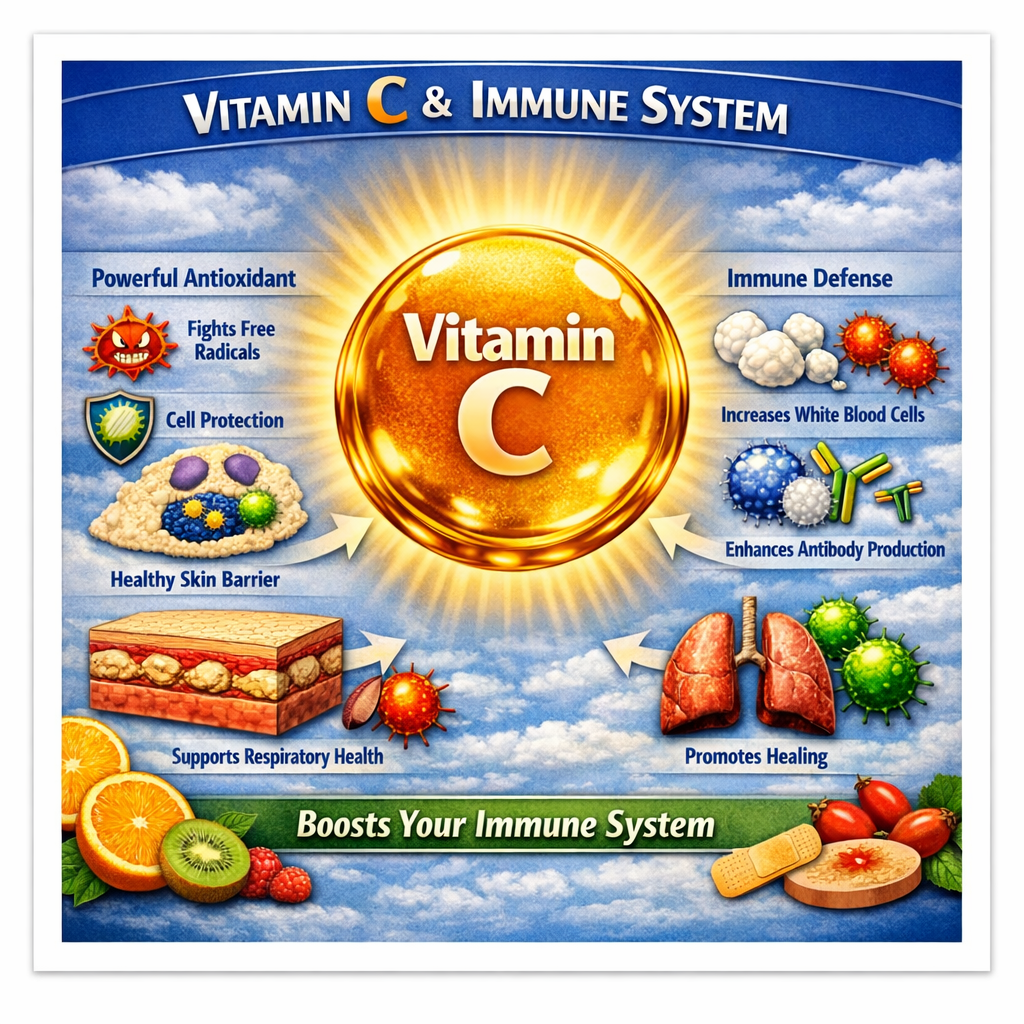
One of its key roles is its function as a powerful antioxidant. Antioxidants help neutralise free radicals—unstable molecules that can damage cells and increase oxidative stress. By reducing this stress, vitamin C helps maintain the integrity of cells involved in immune function. [health.harvard.edu], [ods.od.nih.gov]
Vitamin C also contributes to the normal function of immune cells. It accumulates in various immune cells, where it supports their ability to respond to environmental challenges. Research indicates that it plays a role in supporting both the body’s immediate defence systems and longer-term immune responses. [mdpi.com]
Importantly, vitamin C is involved in maintaining the physical barriers that act as the body’s first line of defence. It supports collagen production, which helps maintain healthy skin and tissues. These structures form part of the body’s natural protection against external stressors. [health.harvard.edu], [biologyinsights.com]
A Nutrient the Body Cannot Store
Unlike some nutrients, vitamin C is water-soluble, meaning it is not stored in significant amounts in the body. Regular intake is therefore essential to maintain adequate levels.
Because the body uses vitamin C continuously—particularly during times of physical stress or immune demand—levels can become depleted relatively quickly. This makes consistency more important than high, occasional intake.
Vitamin C deficiency, even at mild levels, has been associated with impaired immune function and increased susceptibility to infections. [mdpi.com]
Rather than thinking of vitamin C as something to take occasionally, it is better viewed as a daily nutritional foundation that supports ongoing bodily function.
The Role of Vitamin C in Immune Balance
A balanced immune system requires both responsiveness and control. Vitamin C contributes to this balance by supporting several key processes within immune cells.
It plays a role in supporting the function of white blood cells, including their ability to move toward sites of activity and carry out their normal roles effectively. [mdpi.com]
In addition, vitamin C is involved in helping regulate inflammation through its antioxidant properties. During immune responses, the body naturally produces reactive molecules as part of its defence. Vitamin C helps manage this process, supporting normal cellular conditions without excessive stress. [biologyinsights.com]
Emerging research also suggests that vitamin C may influence how certain immune cells develop and function over time, reinforcing its role as a long-term support nutrient rather than a short-term intervention. [medicine.osu.edu]
Sources of Vitamin C
Vitamin C is widely available through a variety of foods, particularly fruits and vegetables. Citrus fruits are commonly associated with vitamin C, but many other foods provide significant amounts, including berries, peppers, broccoli, and leafy greens. [eatright.org]
However, as a water-soluble nutrient that is sensitive to heat and storage, vitamin C content can be reduced during cooking and processing. This means that dietary intake may vary more than expected.
For this reason, some individuals choose to include supplementation as part of their routine to help maintain consistent intake, particularly during periods of increased demand or limited dietary variety.
A Long-Term Approach to Immune Support
Perhaps the most important aspect of vitamin C is that it works gradually and consistently within the body. Rather than delivering immediate or noticeable effects, it contributes to the ongoing maintenance of normal physiological processes.
Research suggests that maintaining adequate vitamin C levels supports immune function over time, helping the body remain prepared to respond to everyday challenges. [pmc.ncbi.nlm.nih.gov]
This reinforces the idea that immune health is not about isolated interventions, but about supporting the systems of the body through consistent, balanced nutrition.
A Balanced Approach to Everyday Wellness
Vitamin C plays an important role, but it is only one part of a broader picture. A well-functioning immune system depends on multiple factors, including overall diet, physical activity, rest, and lifestyle habits.
By combining these elements, you create a more stable foundation for long-term health. Vitamin C can then support that foundation, contributing to normal immune function as part of a wider routine.
Supporting Your Routine
For those looking to support their daily wellness routine, maintaining adequate vitamin C intake may be a simple and effective step—particularly as the body cannot produce or store it.
At NutraHealth365, our approach remains focused on clarity, quality, and consistency. Our formulations are designed to complement a balanced lifestyle, helping you maintain steady nutritional support without overcomplication.
Final Thoughts
Vitamin C is often associated with quick immune support, but its real value lies in its everyday role. From supporting immune cells to helping maintain physical barriers and managing oxidative stress, it contributes quietly but consistently to overall wellbeing.
Rather than being a reactive solution, vitamin C is best understood as a foundational nutrient—supporting your body day after day as part of a balanced lifestyle.
Further Reading (Trusted Sources)
For more in-depth, evidence-based information, you can explore the following reputable resources:
- NIH Office of Dietary Supplements – Vitamin C Fact Sheet
A comprehensive, science-based overview of vitamin C, including its role in immune function, recommended intake levels, and safety guidance. - Harvard Health – Myths and Truths About Vitamin C
A clear and accessible explanation of how vitamin C works in the body, including its antioxidant role and importance for immune support.