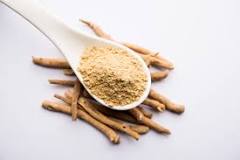

Bone health is an important part of overall wellbeing, particularly as we age. Maintaining strong, healthy bones supports mobility, balance, and everyday activity. While factors such as diet, movement, and lifestyle play a role, many people also turn to natural ingredients traditionally used to support bone and joint comfort—one of the most popular being turmeric.
Turmeric is a vibrant yellow plant from the Curcuma longa family and has been used for centuries in traditional wellness practices. Today, it is widely included in supplements designed to support joint comfort, mobility, and overall musculoskeletal wellness as part of a balanced lifestyle.
Why Turmeric Is Used in Bone & Joint Support Formulas
Turmeric contains naturally occurring plant compounds, including curcumin, that are valued in wellness nutrition for their antioxidant properties. Antioxidants help protect cells from oxidative stress, which can occur during everyday activity and aging.
Because of these properties, turmeric is commonly included in formulations designed to support:
- Joint comfort and flexibility
- Healthy movement and mobility
- Active lifestyles
Turmeric and Inflammatory Balance
Maintaining a healthy inflammatory balance is important for overall musculoskeletal comfort. Turmeric has a long history of traditional use in wellness routines aimed at supporting the body’s natural balance following physical activity or daily movement.
This makes turmeric a popular choice for individuals looking to stay active and comfortable as part of a holistic approach to health.
Antioxidant Support and Bone Wellness
Oxidative stress is a normal process in the body, but long‑term balance is key to healthy aging. The antioxidant compounds found in turmeric are often highlighted for their role in supporting overall cellular health.
By supporting antioxidant balance, turmeric may complement other healthy habits that contribute to long‑term bone and joint wellness.
Turmeric and Bone Health as Part of a Balanced Lifestyle
Bone health is influenced by many factors, including:
- Adequate nutrition
- Weight‑bearing exercise
- Normal mineral intake (such as calcium)
- Consistent movement
Turmeric supplements are not intended to treat or prevent bone conditions, but they are often included alongside nutrients like calcium and vitamin D in wellness routines that support healthy aging.
Turmeric in Everyday Use
Turmeric can be enjoyed in several ways:
- As a spice in food and drinks
- In traditional preparations such as turmeric milk
- As part of a dietary supplement
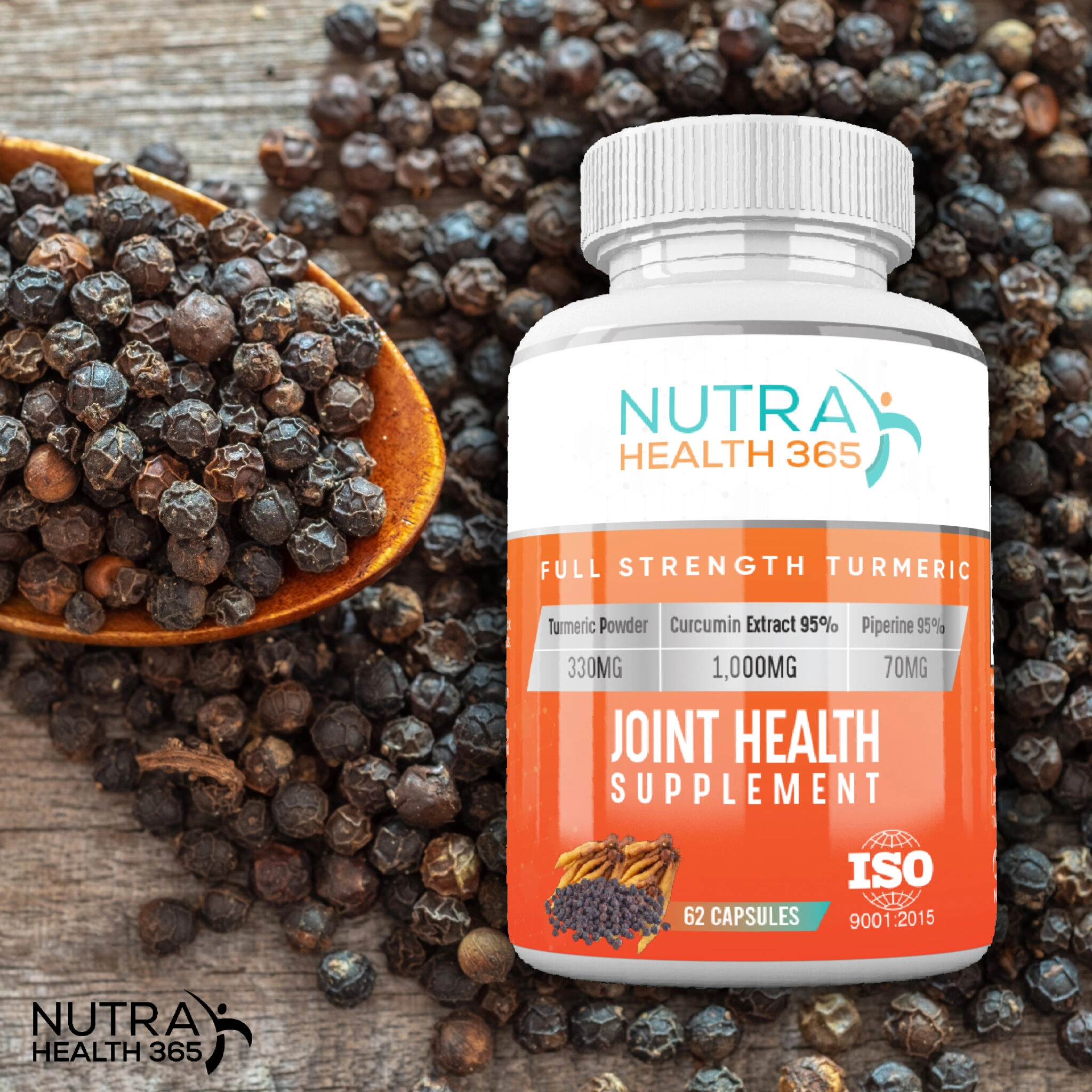
Supplement forms are often preferred for convenience and consistency, especially when combined with black pepper extract (piperine), which is commonly used to support curcumin absorption.
Ginger and Bone & Joint Wellness
Ginger is another plant traditionally used to support joint comfort and mobility. Like turmeric, ginger contains naturally occurring plant compounds valued in wellness nutrition.
Ginger and turmeric are often paired in supplements designed for joint and movement support, especially for individuals with active lifestyles.
Turmeric and Joint Comfort
Research and traditional use have focused heavily on turmeric’s role in supporting joint comfort and flexibility. Because joints and bones work together to support movement, turmeric is frequently included in formulations designed for overall musculoskeletal wellness.
Important Considerations
While turmeric is generally well tolerated when used as directed:
- Supplements should be taken according to label instructions
- Individuals taking medication or managing a medical condition should consult a healthcare professional
- Turmeric supplements do not diagnose, treat, prevent, or cure any disease
Final Thoughts
Turmeric is a well‑known botanical ingredient valued for its role in supporting joint comfort, mobility, and overall musculoskeletal wellness. When combined with a balanced diet, regular movement, and healthy lifestyle habits, turmeric can be a meaningful addition to a long‑term wellness routine.