Dietary supplements have become a routine part of many people’s wellness habits. From vitamins and minerals to herbs and botanical extracts, supplements are widely used to help complement modern diets and lifestyles. However, not all supplements are created to the same standard.
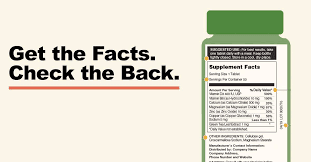
Taking the time to read supplement labels and ingredient lists is one of the most important steps you can take to make informed, responsible choices about your health.
What Are Dietary Supplements?
Dietary supplement ingredients are to supplement the diet by providing nutrients or other substances that may be missing or consumed in limited amounts. These can include:
- Vitamins and minerals
- Botanical extracts and herbs
- Amino acids
- Other naturally derived substances
Supplements are designed to support general nutritional intake and everyday wellbeing. They are not intended to diagnose, treat, prevent, or cure disease.
Because supplements are not regulated in the same way as prescription medications, product quality, formulation, and transparency can vary between brands.
Why Reading Supplement Ingredients Is Important
1. Helps You Make Safer Choices
Reviewing ingredient lists allows you to understand exactly what a product contains. This can help you avoid substances that may not align with your personal preferences or dietary needs.
2. Helps Identify Allergens and Sensitivities
If you have food allergies or intolerances, checking the label helps you avoid ingredients that could cause unwanted reactions. Many supplements now clearly highlight common allergens such as dairy, soy, gluten, or nuts.
3. Allows You to Review Ingredient Amounts
Labels show how much of each ingredient is included per serving. This lets you compare products and choose formulas that fit sensibly into your broader nutrition plan without excessive duplication.
4. Avoids Unnecessary Additives
Some supplements include fillers, colours, or flavourings that may not add nutritional value. Reading the ingredient list helps you choose products with simpler, more transparent formulations.
5. Indicates Overall Product Quality
High‑quality supplements usually:
- Clearly list all ingredients
- Avoid vague descriptions
- Provide full transparency rather than hiding behind “proprietary blends”
Clear labeling is often a good sign of thoughtful product formulation.
How to Read a Supplement Label
Reading supplement labels does not need to be complicated. Focus on these key areas:
Active Ingredients
These are the nutrients or compounds the supplement is designed to provide. Make sure they are clearly listed.
Other Ingredients
This section includes capsule materials, binders, or flowing agents. Look for minimal, clearly explained additions.
Standardised Ingredients
For botanical extracts, “standardised” means the ingredient has been tested for consistency and purity, helping ensure reliability from batch to batch.
Avoid Undisclosed Proprietary Blends
Proprietary blends do not list individual ingredient amounts, making it difficult to assess what you are actually consuming.
Research and Responsible Use
While supplements can complement a balanced diet, no supplement replaces healthy eating, movement, rest, and professional guidance when needed.
Before using supplements:
- Follow label directions
- Avoid overlapping products with similar ingredients
- Speak with a healthcare professional if pregnant, breastfeeding, taking medication, or managing a medical condition