Zinc is one of the most important yet often overlooked minerals when it comes to maintaining overall health. While it is commonly associated with immune support, its role extends into a wide range of biological processes that contribute to normal body function.
Unlike some nutrients, zinc cannot be stored in large amounts within the body. This means it must be consumed regularly through diet or supplementation to maintain adequate levels. In this sense, zinc is not just supportive—it is essential for everyday physiological balance.
When we look more closely at how zinc interacts with the immune system, its importance becomes even clearer.
Why Zinc Matters for Immune Function
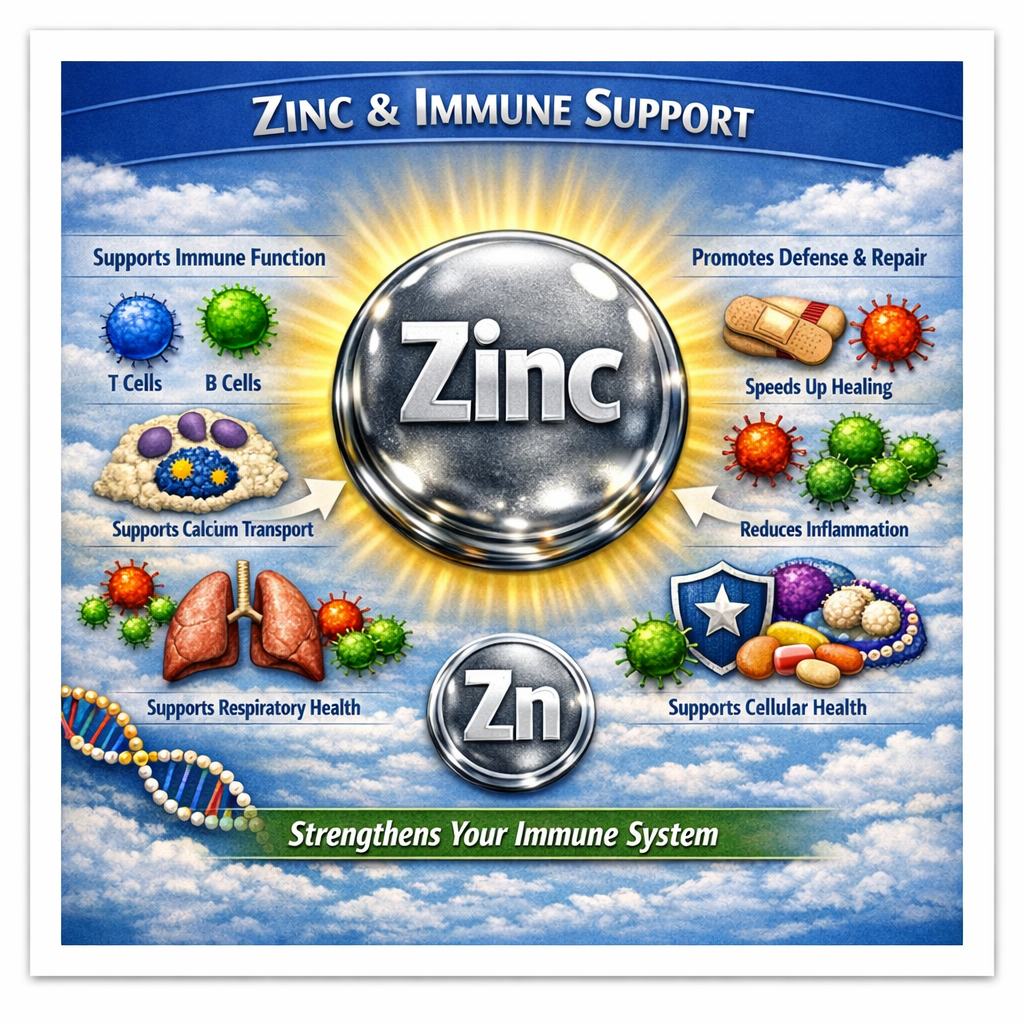
The immune system is a complex network that depends on the coordinated activity of many different cells and signals. Zinc plays a fundamental role in helping this system function normally.
It contributes to the development and activity of immune cells, including those responsible for identifying and responding to environmental challenges. Without sufficient zinc, the body’s ability to maintain normal immune responses may be affected.
Zinc is also involved in supporting communication between immune cells, helping to ensure that responses are appropriately balanced. This is particularly important because the immune system needs to react effectively without becoming overactive.
In addition, zinc contributes to maintaining the integrity of physical barriers such as the skin and mucosal surfaces. These structures act as the body’s first line of defence, helping to protect against external stressors.
Zinc and Immune Balance
One of the key roles of zinc is not simply “boosting” the immune system but helping to maintain balance.
Zinc is involved in regulating inflammatory processes and supporting the normal signalling pathways used by immune cells. This helps ensure that immune responses remain proportionate and controlled.
Because of this regulatory role, zinc contributes to both immediate immune responses and longer-term immune stability. This makes it particularly important as part of an ongoing nutritional strategy rather than a short-term intervention.
The Impact of Zinc Deficiency
Zinc deficiency is more common than many people realise. It can occur due to dietary patterns, absorption issues, or increased physiological demands.
Low zinc levels have been associated with impaired immune function and increased susceptibility to infections. This reflects the mineral’s central role in supporting immune cell activity and maintaining protective barriers.
Even marginal deficiency can influence how effectively the immune system functions, reinforcing the importance of consistent intake rather than occasional supplementation.
Dietary Sources of Zinc
Zinc is found in a variety of foods, though the amount and bioavailability can vary depending on the source.
Animal-based foods such as meat and seafood tend to provide zinc in forms that are more easily absorbed. Plant-based sources, including legumes, nuts, and seeds, also contribute to intake, although absorption may be influenced by other dietary factors.
Because of these variations, some individuals may find it beneficial to include supplementation as part of their routine, particularly if dietary intake is inconsistent.
A Long-Term Approach to Immune Support
Like vitamin C and vitamin D3, zinc plays its most important role over time. Its contribution to immune health is not immediate or dramatic but steady and foundational.
By supporting immune cell development, barrier function, and cellular communication, zinc helps maintain normal immune activity as part of everyday physiological processes.
This long-term perspective is key. Rather than focusing on short-term solutions, maintaining adequate zinc levels supports a more stable and resilient internal environment.
A Balanced Approach to Everyday Wellness
Zinc should be seen as part of a broader approach to health rather than a standalone solution. Nutrition, lifestyle, sleep, and stress all contribute to how well the immune system functions.
By maintaining a balanced diet and consistent micronutrient intake, including zinc, you create a stronger foundation for long-term wellbeing.
Supporting Your Routine
For those looking to support their daily wellness routine, ensuring adequate zinc intake may be a simple but important step—particularly given the body’s limited ability to store it.
At NutraHealth365, our focus remains on simplicity, clarity, and consistency. Our formulations are designed to complement a balanced lifestyle, helping you maintain steady nutritional support without unnecessary complexity.
Final Thoughts
Zinc may not receive as much attention as some vitamins, but its role in supporting normal immune function is fundamental.
From contributing to immune cell activity to helping maintain protective barriers and balance inflammatory processes, zinc supports the body in quiet but essential ways.
Its true value lies not in quick results, but in consistent, everyday support as part of a healthy lifestyle.
Further Reading (Trusted Sources)
For reliable, evidence-based information, explore the following resources:
- https://ods.od.nih.gov/factsheets/Zinc-HealthProfessional/
A detailed overview of zinc’s role in the body, including immune function, recommended intake levels, and deficiency considerations. - https://www.health.harvard.edu/staying-healthy/zinc-what-you-need-to-know
A clear and practical guide to how zinc works in the body and its importance for overall health.