
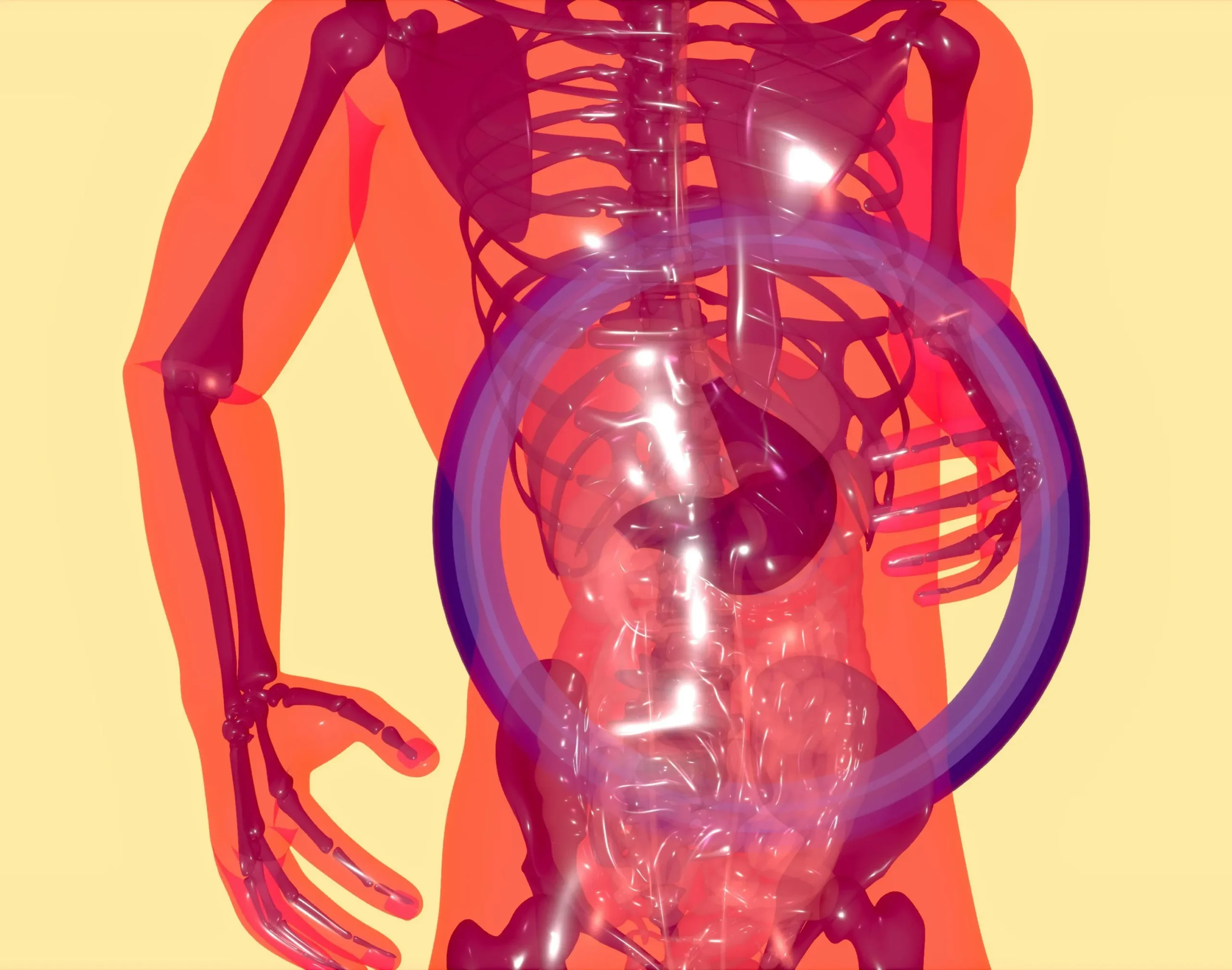
When most people think about maintaining good health, diet, exercise, and sleep usually come to mind first. These are essential foundations of wellbeing, but there is another equally important factor that is often overlooked: the microbiome.
The microbiome is made up of trillions of microorganisms—including bacteria and fungi—that live in and on the body, with the largest concentration in the gut. Rather than being harmful, these microbes play a supportive role in digestion, nutrient processing, immune regulation, and everyday wellbeing.
Research increasingly shows that supporting the microbiome is an important part of feeling well over the long term. This understanding is what led to the development of MicroBiome – Gut Health Support, a supplement formulated with beneficial bacteria and prebiotic fibres to help maintain gut balance as part of a healthy lifestyle.
What Is the Microbiome?
The microbiome can be thought of as a complex internal ecosystem. Each person’s microbial makeup is unique and influenced by diet, environment, lifestyle, and age. The gut alone contains trillions of microorganisms that interact continuously with the body.
These microbes support everyday processes such as breaking down food components, assisting nutrient availability, and producing compounds that contribute to digestive comfort and overall balance. When the microbiome is diverse and supported, many people report feeling more comfortable and consistent in their energy and digestion.
When microbial balance is disrupted, changes in digestion or general wellbeing may be noticed. Supporting this internal ecosystem is therefore a key part of modern health routines.
Why the Microbiome Is Important
1. Digestive Function
Gut bacteria help process food components that the body cannot digest on its own, including certain fibres. They also produce short‑chain fatty acids that support the gut environment.
MicroBiome – Gut Health Support includes selected probiotic strains and plant‑based prebiotic fibres designed to complement digestion as part of a balanced diet.
2. Immune Function Support
A large portion of immune activity is associated with the gut. Beneficial bacteria interact with immune cells, helping support normal immune responses and balance.
Supporting gut health is one way people choose to support their immune system as part of an overall wellbeing routine.
3. Supporting Microbial Balance
A diverse microbiome helps maintain a stable gut environment where beneficial bacteria can thrive. Modern factors such as stress, travel, antibiotics, and dietary changes can disrupt this balance.
Including probiotics and prebiotics in a daily routine can help maintain microbial diversity and support digestive stability.
4. Metabolism and Energy Balance
Gut microbes are involved in how nutrients are processed and how energy is made available to the body. Research suggests microbial diversity may be associated with metabolic balance.
MicroBiome – Gut Health Support includes prebiotic fibres that nourish beneficial bacteria linked to these processes.
5. Gut–Brain Connection
The gut and brain communicate through neural, hormonal, and biochemical pathways. Many people notice that digestive comfort and emotional balance are closely connected.
Supporting gut balance may contribute to overall wellbeing, including focus, mood stability, and energy levels, as part of a healthy lifestyle.
6. Skin and Inflammatory Balance
Gut health is often discussed in connection with skin appearance and comfort. A supported microbiome contributes to normal inflammatory regulation, which may be reflected externally over time.
7. Long‑Term Wellness Support
Ongoing research continues to explore how gut health relates to long‑term wellbeing. Maintaining microbial diversity through diet and daily habits is widely recognised as part of a proactive wellness approach.
Establishing consistent gut‑supportive habits now can support overall balance over time.
What Can Disrupt the Microbiome?
Several common lifestyle factors may negatively influence microbial diversity, including:
- Antibiotic use
- Diets high in ultra‑processed foods and low in fibre
- Irregular sleep or ongoing stress
- Low intake of plant‑based foods
- Environmental and dietary changes
Digestive discomfort, bloating, or irregularity are often signs people notice when gut balance is challenged.
How to Support Your Microbiome Naturally
1. Eat a Variety of Plant Foods
Fruits, vegetables, legumes, nuts, and seeds help support microbial diversity.
2. Include Prebiotic Fibres
Foods such as onions, garlic, oats, bananas, and asparagus provide nourishment for beneficial bacteria.
3. Enjoy Fermented Foods
Yogurt, kefir, sauerkraut, kimchi, and miso naturally contain live cultures.
4. Prioritise Sleep and Stress Management
Sleep quality and stress levels directly influence gut balance.
5. Supplement Thoughtfully
MicroBiome – Gut Health Support is designed to complement diet by providing probiotics alongside prebiotic fibres for daily use.
Why We Created MicroBiome – Gut Health Support
Many people struggle to consistently support their gut through diet alone. That’s why MicroBiome – Gut Health Support was designed as a synbiotic formula, combining:
- Probiotics – selected strains intended to reach the gut
- Prebiotics – plant fibres that help nourish beneficial bacteria
The product is made with high‑quality ingredients, contains no unnecessary fillers, and is suitable for vegetarians and vegans.
The Future of Microbiome Science
The microbiome is an active area of scientific research, with studies exploring its role in digestion, immune support, and overall wellbeing. While research continues to evolve, adopting microbiome‑friendly habits today is a practical and accessible step.
Conclusion: Put Your Gut First
Your microbiome plays a central role in everyday wellbeing, influencing digestion, immune balance, energy, and comfort. Modern lifestyles can challenge gut health, but small, consistent choices can help maintain balance.
Eating a varied diet, managing stress, prioritising sleep, and using targeted supplementation where needed are all ways to support your gut.
MicroBiome – Gut Health Support was created to make daily gut support simple, helping you maintain balance as part of a healthy lifestyle.
Frequently Asked Questions
Why take probiotics?
Probiotics support microbial balance and are commonly used to support digestion and immune function.
Why are prebiotics important?
Prebiotics act as food for beneficial bacteria, helping them stay active and diverse.
Can probiotics and prebiotics be taken together?
Yes. When combined, they are referred to as a synbiotic and are often used together for gut support.
What foods contain probiotics?
Yogurt, kefir, sauerkraut, kimchi, miso, and kombucha.
What foods contain prebiotics?
Onions, garlic, bananas, asparagus, chicory root, and Jerusalem artichokes.
How long before results are noticed?
Experiences vary. Some people notice changes within days, while others require consistent use over several weeks.
Are there side effects?
Mild digestive changes such as bloating may occur initially and often settle with continued use.
Who may benefit from gut support?
Anyone looking to support digestion, immune balance, or overall gut health as part of a healthy lifestyle