

When people think about immune health, they often picture vitamins, lifestyle habits, or getting enough sleep. What’s less obvious—but just as important—is what’s happening in your gut.
In recent years, research has increasingly highlighted the close relationship between gut health and the immune system. In fact, a large portion of your immune activity is linked, in some way, to your digestive system. Understanding that connection can help you take a more balanced, long-term approach to supporting your overall wellbeing.
Why your gut matters more than you think
Your gut is home to trillions of microorganisms, often referred to as the gut microbiome. These include bacteria, fungi, and other microbes that live naturally within your digestive system.
While that might sound concerning at first, many of these microorganisms play a useful role. They help break down food, support nutrient absorption, and interact with important systems in your body—including your immune system.
These interactions are not occasional; they happen continuously. Your gut and immune system communicate regularly, helping your body respond appropriately to different internal and external factors. [worthstart.com]
The connection between gut and immune function
Your gut lining acts as a physical barrier between your internal systems and the outside world. Every day, it comes into contact with substances from food, drink, and the environment.
A well-balanced gut helps maintain this barrier effectively, ensuring that harmful substances are managed appropriately while beneficial compounds are absorbed.
At the same time, immune cells are present within the digestive tract, monitoring what passes through and responding when needed. This is part of your body’s natural defence process, combining digestion and immunity in a highly coordinated way.
When this balance is maintained, your body can respond efficiently without overreacting. When it’s disrupted, the response can become less consistent.
What affects your gut health?
Your gut is highly responsive to your daily habits, often more than people realise.
Diet plays one of the most significant roles. A varied and balanced diet supports a diverse microbiome, while highly processed or limited diets may reduce that diversity over time.
Other factors also come into play. Sleep, stress levels, hydration, and physical activity can all influence the environment within your gut.
Even small, consistent changes in lifestyle can gradually shape how your gut functions, which in turn can influence how your immune system responds.
The role of nutrition
Just like your immune system, your gut relies on a range of nutrients rather than a single solution.
Research shows that vitamins and minerals work together to support overall immune function, and this includes nutrients that also influence gut health. [cdc.gov]
For example, nutrients such as vitamin D, zinc, and vitamin C all play roles in maintaining normal immune processes and supporting the cells involved in defence.
Vitamin D is known to be involved in immune regulation, influencing how certain immune cells behave in response to challenges. [dissertati…sage.co.uk]
Zinc contributes to normal immune system function and is involved in a wide range of cellular activities, including those linked to tissue maintenance and repair. [ryrob.com]
Rather than acting independently, these nutrients contribute to a broader system that relies on balance and consistency.
Gut balance and immune response
Your immune system needs to strike a careful balance. It must be active enough to protect you, but controlled enough to avoid unnecessary or excessive responses.
Your gut microbiome plays a role in helping regulate this balance. It supports communication between different parts of the immune system, helping guide how your body reacts.
This is one of the reasons why overall dietary patterns matter more than quick fixes. Long-term consistency helps create an environment where both your gut and immune system can function effectively.
Signs your gut may need attention
Just like your immune system, your gut often gives subtle signals when something is out of balance.
You may notice digestive discomfort, changes in appetite, or fluctuations in energy levels. Sometimes these signs are easy to overlook, but they can reflect broader patterns linked to lifestyle factors.
It’s important to remember that these signals are not about perfection. They’re simply an indication that your body may benefit from more consistent support.
The importance of long-term habits
Gut health, like immune health, is built over time.
Short-term changes can be helpful, but lasting results tend to come from consistent daily habits. This includes maintaining a varied, balanced diet, staying active, managing stress, and getting enough rest.
Over time, these habits influence the diversity and balance of your gut microbiome, which in turn supports how your immune system operates.
This is why there’s increasing focus on lifestyle as a key part of supporting overall wellbeing, rather than relying on isolated interventions.
A more balanced perspective on supplementation
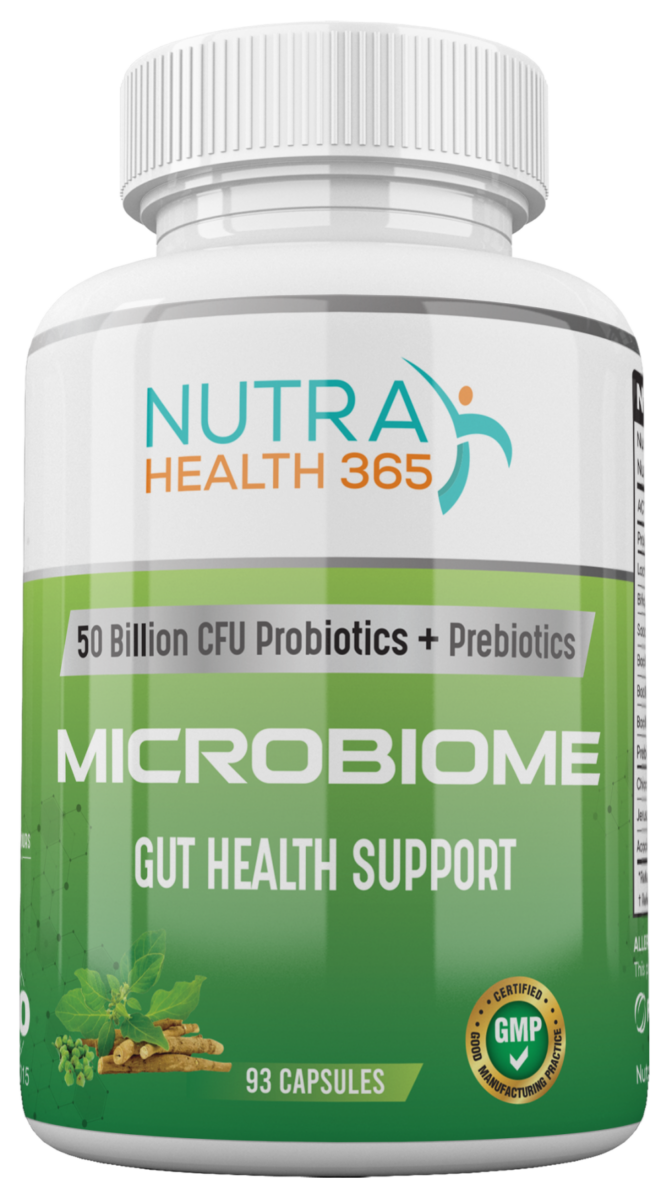
There’s growing interest in supplements that support gut and immune health, and in some cases, they can play a role alongside a balanced diet.
The key is to view supplementation as part of a broader approach rather than a standalone solution.
Maintaining adequate levels of essential nutrients—particularly those involved in immune processes—can support normal function when dietary intake is not always consistent. This includes nutrients such as vitamin D, zinc, and others involved in immune regulation.
As always, balance is the priority. More is not necessarily better, and the goal is to support your body, not overwhelm it.
Bringing it all together
Your gut and immune system are closely connected, working together to maintain balance within the body. Rather than functioning in isolation, they are part of a larger network that responds to your daily habits and environment.
Supporting this connection doesn’t need to be complicated. It comes down to simple, consistent choices made over time.
By focusing on balanced nutrition, maintaining healthy lifestyle habits, and ensuring your body has access to the nutrients it needs, you can support both gut health and immune function in a practical, sustainable way.
Final thoughts
The relationship between your gut and immune system is a reminder that health is interconnected. What you do on a daily basis—from what you eat to how you rest—has a wider impact than you might expect.
At NutraHealth365, we believe in keeping things clear, balanced, and realistic. Supporting your gut and immune system isn’t about quick fixes or extremes. It’s about building habits that support your body over time.
Because when your body is supported consistently, everything else tends to follow.