Quercetin is a naturally occurring plant compound that has gained increasing attention for its role in supporting overall wellbeing. Found in a wide range of fruits, vegetables, and herbs, quercetin belongs to a group of compounds known as flavonoids—nutrients valued for their antioxidant properties and contribution to everyday health.
Unlike essential vitamins and minerals, quercetin is not required in the same way, but it plays a supportive role in helping the body maintain balance. Its importance comes from how it interacts with key biological processes, particularly those related to oxidative stress and immune system function.
Understanding quercetin’s role can help you take a more informed and balanced approach to supporting your daily wellness routine.
What Is Quercetin and Why Does It Matter?
Quercetin is one of the most abundant flavonoids in the human diet, commonly found in foods such as apples, onions, berries, and leafy vegetables. It is known primarily for its ability to act as an antioxidant within the body. [healthline.com]
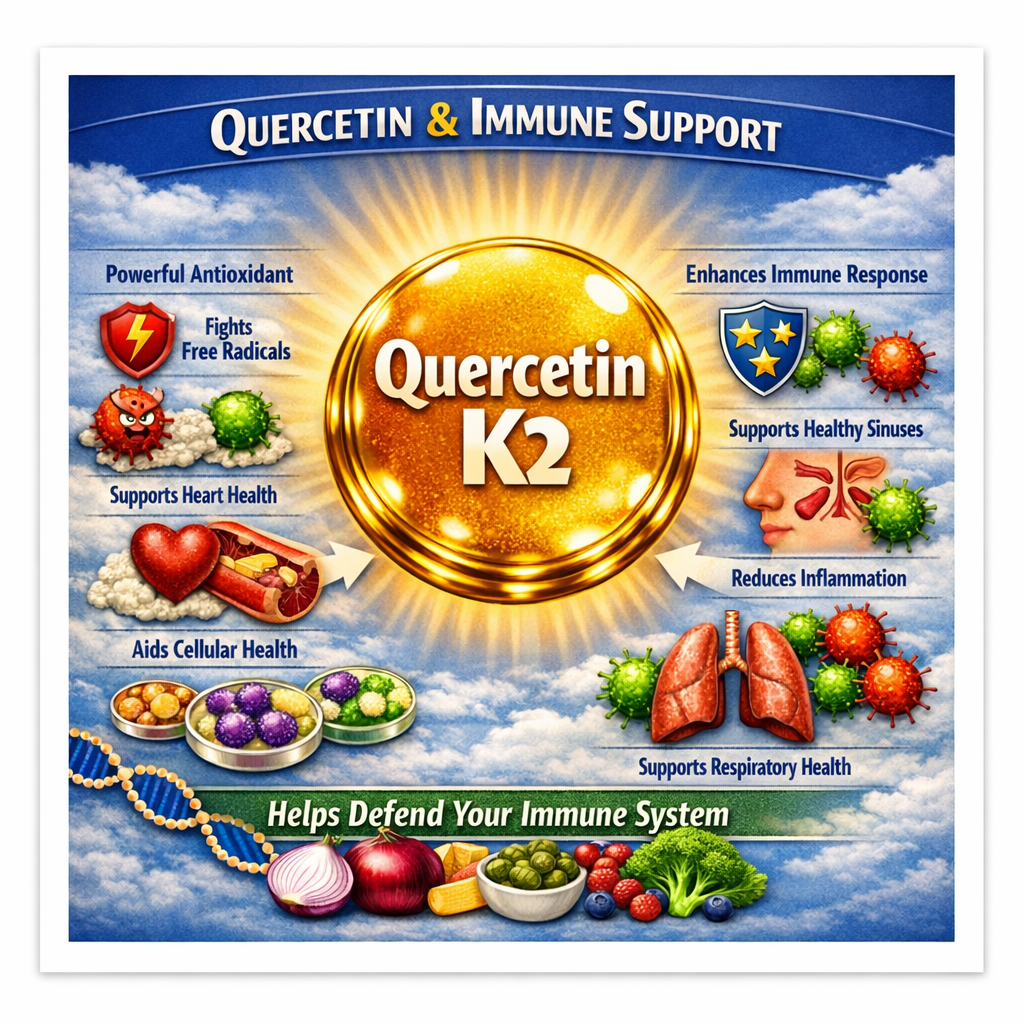
Antioxidants help neutralise free radicals—unstable molecules that can cause cellular damage over time. By helping to manage oxidative stress, quercetin contributes to maintaining normal cellular function and overall physiological balance.
Alongside its antioxidant effects, quercetin has also been studied for its role in supporting inflammatory balance and cellular signalling processes, which are closely linked to immune system activity. [mdpi.com]
How Quercetin Supports Immune Function
The immune system relies on a delicate balance between responsiveness and regulation. Quercetin contributes to this balance through several complementary mechanisms.
One of its primary roles is supporting the body’s natural response to oxidative stress. During immune activity, the body generates reactive molecules as part of its defence processes. Quercetin’s antioxidant properties help manage this environment, supporting normal cellular conditions. [mdpi.com]
Quercetin is also associated with supporting inflammatory balance. Research indicates that it can influence pathways involved in inflammation, helping the body maintain appropriate responses without excessive activation. [pmc.ncbi.nlm.nih.gov]
In addition, quercetin has been shown to interact with immune system signalling, contributing to what is often described as an immunomodulatory effect. This means it helps support the normal functioning of immune processes rather than overstimulating them. [pmc.ncbi.nlm.nih.gov]
Together, these effects position quercetin as a supportive nutrient that works quietly in the background to help maintain immune balance.
Quercetin and Immune System Balance
One of the most important features of quercetin is its ability to support balance rather than intensity.
A well-functioning immune system depends on controlled, proportionate responses. Excessive inflammation or oxidative stress can disrupt this balance. Quercetin supports key pathways involved in regulating these processes, helping maintain a stable internal environment.
This balance is especially relevant when considering long-term wellness. Rather than acting as a short-term solution, quercetin contributes to ongoing physiological stability, supporting the body’s ability to respond to everyday environmental pressures.
Dietary Sources of Quercetin
Quercetin is widely available in plant-based foods, making it a natural part of many diets.
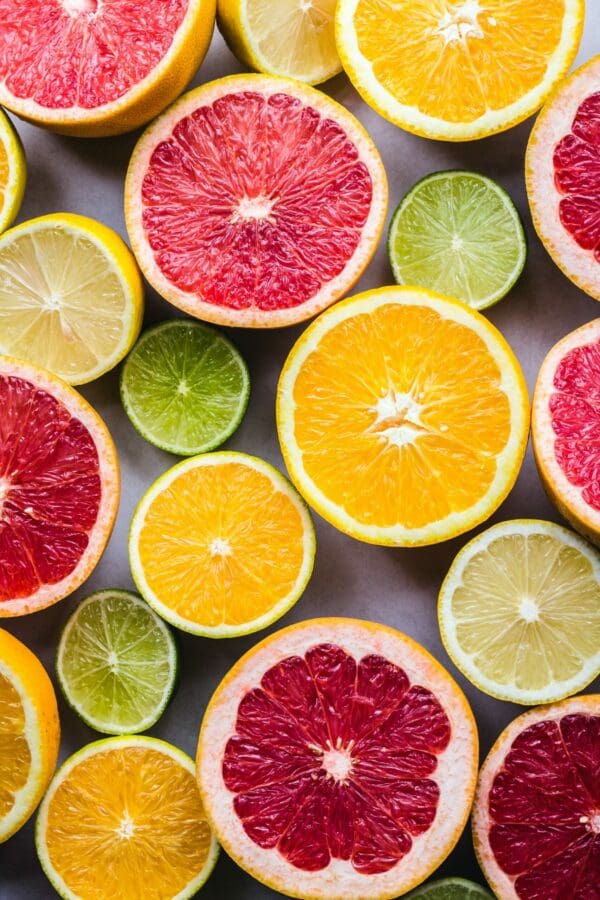
Common sources include fruits such as apples and berries, vegetables like onions and broccoli, and beverages such as green tea. [healthline.com]
However, intake levels can vary depending on dietary habits, food preparation, and overall nutrition. As with many plant compounds, consistency can be more important than occasional high intake.
For individuals looking to maintain regular intake, supplementation may be considered as part of a balanced approach, particularly when dietary sources are limited or inconsistent.
A Long-Term Approach to Immune Support
Quercetin’s role in the body is not immediate or dramatic. Instead, it contributes gradually to maintaining normal physiological processes.
By supporting antioxidant defence, inflammatory balance, and immune signalling, quercetin helps the body maintain equilibrium over time. Research highlights its broad biological activity, although further human studies are still ongoing to fully understand its long-term effects. [pmc.ncbi.nlm.nih.gov]
This reinforces an important principle—effective immune support is not about quick interventions but about consistent, balanced nutrition.
A Balanced Approach to Everyday Wellness
While quercetin can support immune health, it works best as part of a broader lifestyle approach. Nutrition, physical activity, rest, and stress management all contribute to how the body functions day to day.
In this context, quercetin plays a supportive role, helping maintain cellular balance and contributing to overall wellbeing alongside other nutrients such as vitamin C, vitamin D3, and zinc.
Supporting Your Routine
For those looking to support their daily wellness routine, quercetin may be a useful addition—particularly when combined with a varied diet and consistent lifestyle habits.
At NutraHealth365, our approach remains focused on clarity, quality, and simplicity. Our formulations are designed to complement a balanced routine, helping you maintain steady nutritional support without unnecessary complexity.
Final Thoughts
Quercetin may not be as widely recognised as traditional vitamins, but its role in supporting antioxidant activity and immune balance is increasingly well understood.
Rather than acting as a quick solution, quercetin contributes to the body’s long-term stability—helping support normal immune function as part of a consistent, well-rounded approach to health.
Further Reading (Trusted Sources)
For reliable, evidence-based information, explore the following resources:
- https://www.healthline.com/nutrition/quercetin
A clear, research-backed overview of quercetin, including its antioxidant properties, dietary sources, and potential health benefits. - https://pmc.ncbi.nlm.nih.gov/articles/PMC11763763/
A comprehensive scientific review exploring quercetin’s biological activity, including its effects on oxidative stress, inflammation, and immune-related processes.