
.
Vitamin K2 is one of the lesser-known nutrients in the wellness space, yet its role in supporting normal physiological function is increasingly recognised. Often associated with bone and heart health, vitamin K2 also plays a broader role in maintaining internal balance, including processes linked to immune function.
Part of the vitamin K family, vitamin K2 (also known as menaquinone) is a fat-soluble nutrient found primarily in fermented foods and certain animal products. Unlike vitamin K1, which is mainly involved in blood clotting, vitamin K2 is distributed more widely throughout the body and remains active for longer periods. [health.cle…clinic.org]
This extended activity allows it to contribute to multiple systems simultaneously—making it a valuable part of a long-term, balanced approach to health.
What Makes Vitamin K2 Unique?
Vitamin K2 stands out because of how it supports the activation of specific proteins within the body. These proteins are involved in directing essential processes, particularly those related to calcium use.
In simple terms, vitamin K2 helps ensure calcium is utilised in the right places—such as bones—while limiting its accumulation in soft tissues. [pmc.ncbi.nlm.nih.gov]
While this function is often discussed in relation to bone and cardiovascular health, it also reflects a broader principle: supporting proper internal regulation and balance, which is essential for overall wellbeing.
Vitamin K2 and Immune Balance
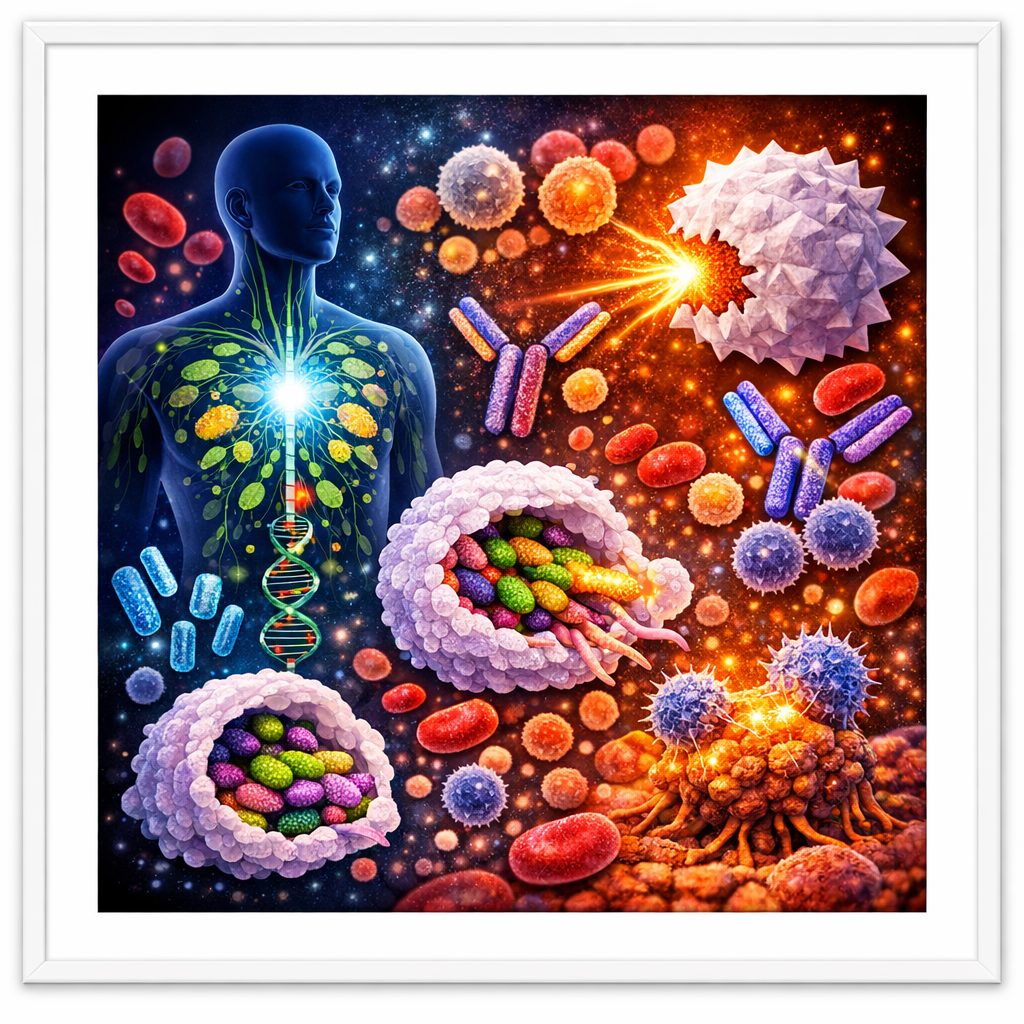
Although vitamin K2 is not typically positioned as a primary immune nutrient, emerging research highlights its role in supporting processes connected to immune function.
Studies suggest that vitamin K intake is associated with positive changes in immune and inflammatory markers. This includes relationships with lower levels of certain inflammatory indicators, suggesting a supportive role in maintaining normal immune system balance. [pmc.ncbi.nlm.nih.gov]
Inflammation is a natural and necessary part of immune function, but it must remain controlled. Nutrients such as vitamin K2 contribute to this balance by supporting normal regulatory pathways within the body.
In addition, vitamin K is associated with antioxidant activity and interactions with the gut microbiota, both of which play a role in maintaining overall physiological stability. [dovepress.com]
This positions vitamin K2 not as a rapid-response solution, but as part of the body’s longer-term system for maintaining equilibrium.

The Synergy Between Vitamin K2 and Vitamin D3
One of the most important aspects of vitamin K2 is how it works in synergy with vitamin D3.
Vitamin D3 helps regulate calcium absorption, while vitamin K2 helps guide how that calcium is used within the body. This complementary relationship highlights the importance of balance, as both nutrients contribute to maintaining normal physiological function.
Because of this connection, vitamin K2 is often included in formulations alongside vitamin D3, particularly in products focused on long-term wellness and foundational support.
Dietary Sources of Vitamin K2
Vitamin K2 is found in a more limited range of foods compared to many other nutrients. Fermented foods such as natto are among the richest sources, while smaller amounts are present in dairy products, eggs, and certain meats. [health.cle…clinic.org]
Because intake can vary significantly depending on diet and lifestyle, some individuals may not consistently achieve optimal levels through food alone.
For this reason, supplementation is sometimes considered as part of a broader approach to maintaining nutritional balance—particularly when paired with other key nutrients.
A Long-Term Role in Health Support
Vitamin K2 does not deliver immediate or noticeable effects. Instead, its role is gradual and supportive, contributing to long-term physiological stability.
By supporting protein activation, influencing calcium balance, and contributing to inflammatory regulation, it plays a background role in maintaining normal bodily function.
Research continues to explore its wider benefits, but current evidence suggests that vitamin K2 supports several interconnected systems, reinforcing its role as a foundational nutrient rather than a short-term intervention. [mdpi.com]
A Balanced Approach to Everyday Wellness
Vitamin K2 works best as part of a complete nutritional strategy. It supports processes that overlap with those influenced by vitamin D3, vitamin C, zinc and other nutrients.
This highlights a key point—no single nutrient works in isolation. Long-term wellness is built through consistency, balance, and a combination of supportive elements working together.
Supporting Your Routine
For those looking to maintain a consistent wellness routine, vitamin K2 may be a useful addition—particularly when combined with a balanced diet and complementary nutrients.
At NutraHealth365, our focus remains on simplicity, quality, and transparency. Our formulations are designed to support everyday routines in a clear, manageable way, without unnecessary complexity.
Final Thoughts
Vitamin K2 may not always be in the spotlight, but its role in supporting long-term balance makes it an important part of a well-rounded approach to health.
Rather than providing immediate effects, it works quietly in the background—helping support normal physiological processes and contributing to overall wellbeing over time.
Further Reading (Trusted Sources)
For reliable, evidence-based information, explore the following resources:
- https://health.clevelandclinic.org/vitamin-k2
A clear and practical guide explaining what vitamin K2 is, how it works in the body, and its roles in bone and heart health.
https://pmc.ncbi.nlm.nih.gov/articles/PMC12289624/
A scientific study exploring the relationship between vitamin K intake and immune and inflammatory markers.
.
Vitamin K2 is one of the lesser-known nutrients in the wellness space, yet its role in supporting normal physiological function is increasingly recognised. Often associated with bone and heart health, vitamin K2 also plays a broader role in maintaining internal balance, including processes linked to immune function.
Part of the vitamin K family, vitamin K2 (also known as menaquinone) is a fat-soluble nutrient found primarily in fermented foods and certain animal products. Unlike vitamin K1, which is mainly involved in blood clotting, vitamin K2 is distributed more widely throughout the body and remains active for longer periods. [health.cle…clinic.org]
This extended activity allows it to contribute to multiple systems simultaneously—making it a valuable part of a long-term, balanced approach to health.
What Makes Vitamin K2 Unique?
Vitamin K2 stands out because of how it supports the activation of specific proteins within the body. These proteins are involved in directing essential processes, particularly those related to calcium use.
In simple terms, vitamin K2 helps ensure calcium is utilised in the right places—such as bones—while limiting its accumulation in soft tissues. [pmc.ncbi.nlm.nih.gov]
While this function is often discussed in relation to bone and cardiovascular health, it also reflects a broader principle: supporting proper internal regulation and balance, which is essential for overall wellbeing.
Vitamin K2 and Immune Balance
Although vitamin K2 is not typically positioned as a primary immune nutrient, emerging research highlights its role in supporting processes connected to immune function.
Studies suggest that vitamin K intake is associated with positive changes in immune and inflammatory markers. This includes relationships with lower levels of certain inflammatory indicators, suggesting a supportive role in maintaining normal immune system balance. [pmc.ncbi.nlm.nih.gov]
Inflammation is a natural and necessary part of immune function, but it must remain controlled. Nutrients such as vitamin K2 contribute to this balance by supporting normal regulatory pathways within the body.
In addition, vitamin K is associated with antioxidant activity and interactions with the gut microbiota, both of which play a role in maintaining overall physiological stability. [dovepress.com]
This positions vitamin K2 not as a rapid-response solution, but as part of the body’s longer-term system for maintaining equilibrium.
The Synergy Between Vitamin K2 and Vitamin D3
One of the most important aspects of vitamin K2 is how it works in synergy with vitamin D3.
Vitamin D3 helps regulate calcium absorption, while vitamin K2 helps guide how that calcium is used within the body. This complementary relationship highlights the importance of balance, as both nutrients contribute to maintaining normal physiological function.
Because of this connection, vitamin K2 is often included in formulations alongside vitamin D3, particularly in products focused on long-term wellness and foundational support.
Dietary Sources of Vitamin K2
Vitamin K2 is found in a more limited range of foods compared to many other nutrients. Fermented foods such as natto are among the richest sources, while smaller amounts are present in dairy products, eggs, and certain meats. [health.cle…clinic.org]
Because intake can vary significantly depending on diet and lifestyle, some individuals may not consistently achieve optimal levels through food alone.
For this reason, supplementation is sometimes considered as part of a broader approach to maintaining nutritional balance—particularly when paired with other key nutrients.
A Long-Term Role in Health Support
Vitamin K2 does not deliver immediate or noticeable effects. Instead, its role is gradual and supportive, contributing to long-term physiological stability.
By supporting protein activation, influencing calcium balance, and contributing to inflammatory regulation, it plays a background role in maintaining normal bodily function.
Research continues to explore its wider benefits, but current evidence suggests that vitamin K2 supports several interconnected systems, reinforcing its role as a foundational nutrient rather than a short-term intervention. [mdpi.com]
A Balanced Approach to Everyday Wellness
Vitamin K2 works best as part of a complete nutritional strategy. It supports processes that overlap with those influenced by vitamin D3, vitamin C, zinc and other nutrients.
This highlights a key point—no single nutrient works in isolation. Long-term wellness is built through consistency, balance, and a combination of supportive elements working together.
Supporting Your Routine
For those looking to maintain a consistent wellness routine, vitamin K2 may be a useful addition—particularly when combined with a balanced diet and complementary nutrients.
At NutraHealth365, our focus remains on simplicity, quality, and transparency. Our formulations are designed to support everyday routines in a clear, manageable way, without unnecessary complexity.
Final Thoughts
Vitamin K2 may not always be in the spotlight, but its role in supporting long-term balance makes it an important part of a well-rounded approach to health.
Rather than providing immediate effects, it works quietly in the background—helping support normal physiological processes and contributing to overall wellbeing over time.
Further Reading (Trusted Sources)
For reliable, evidence-based information, explore the following resources:
- https://health.clevelandclinic.org/vitamin-k2
A clear and practical guide explaining what vitamin K2 is, how it works in the body, and its roles in bone and heart health.
https://pmc.ncbi.nlm.nih.gov/articles/PMC12289624/
A scientific study exploring the relationship between vitamin K intake and immune and inflammatory markers.