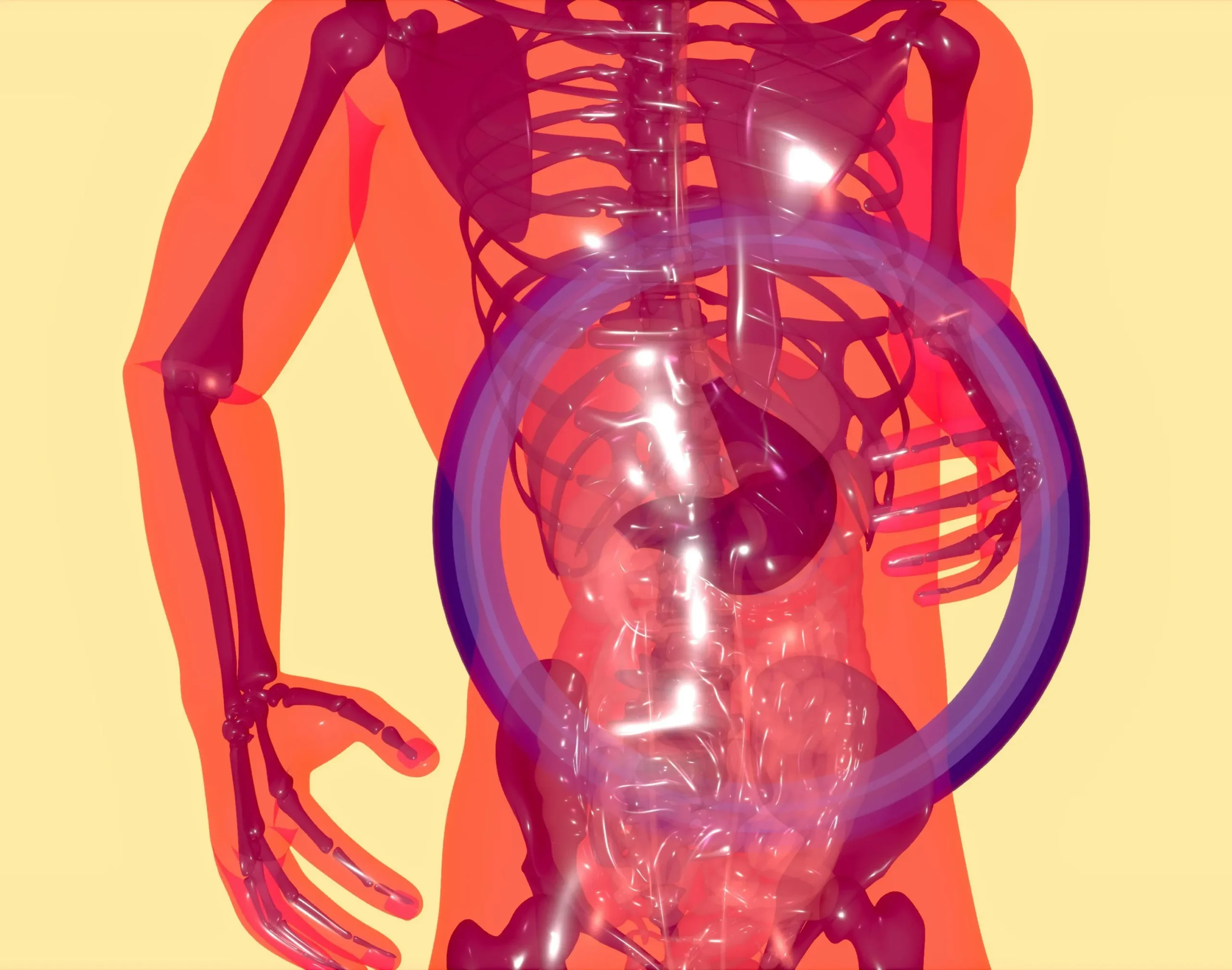

Your immune system is working around the clock, whether you notice it or not. It protects you, supports recovery, and helps your body stay resilient in the face of everyday stressors. Most people only think about their immune system when they feel run down, but in reality, it plays a central role in your daily health.
Understanding how it works doesn’t need to be complicated. In fact, once you strip it back, it’s one of the most important systems in your body.
What is your immune system?
At its core, your immune system is a network of cells, tissues and organs working together to defend your body. It includes white blood cells, lymph nodes, bone marrow, and specialised systems like the spleen and thymus. These components act as a coordinated defence system, identifying potential threats and responding when needed. [my.clevela…clinic.org]
When functioning normally, your immune system not only responds to challenges but also remembers them, allowing for a quicker and more efficient response in the future. [my.clevela…clinic.org]
Why your immune system matters more than you think
It’s easy to associate immunity purely with illness, but its role is much broader. Even when you feel well, your immune system is helping regulate how your body responds to physical stress, environmental exposures, and internal repair processes.
It plays a part in how you recover, how you adapt, and how resilient you are over time. Rather than something that switches on and off, it’s an ongoing, active system that helps maintain balance.
How your body defends itself
Your immune system works in layers, combining immediate responses with longer-term protection.
Your innate immune system acts quickly as a first line of defence, while your adaptive immune system develops over time, learning from previous exposures and creating more targeted responses. [nutritions…arvard.edu]
This combination of speed and memory is what makes your immune system so effective when supported properly.
When your body needs support
Your immune system is closely linked to your overall lifestyle. When things are out of balance, it often shows up gradually.
You might feel more run down than usual, take longer to recover, or notice dips in energy. These changes are often connected to factors like sleep quality, stress levels, and nutrition, rather than a single cause.
Supporting your immune system is less about reacting quickly and more about building consistency.
The role of nutrition in immune health
Nutrition provides the foundation your immune system relies on. Rather than focusing on one “super nutrient,” research shows that a wide range of vitamins and minerals work together to support normal immune function. [nutritions…arvard.edu]
This includes nutrients like vitamin C, vitamin D, and zinc, all of which play important roles in maintaining how immune cells function and respond.
For example, zinc is considered essential for normal immune system function and plays a role in processes like wound healing and cell activity. [health.harvard.edu]
Vitamin D is also widely recognised for its involvement in regulating immune responses, influencing both the early and more advanced stages of defence. [mdpi.com]
Rather than acting in isolation, these nutrients work as part of a broader system, supporting different aspects of immune balance.
The gut and immune connection
An emerging area of interest is the connection between gut health and immunity.
Your digestive system contains a large and complex community of microorganisms that interact with your immune system on a continuous basis. These interactions help influence how your body responds to everyday challenges and maintains internal balance.
This is why overall dietary patterns—rather than individual foods—are increasingly seen as important in supporting long-term immune health.
How immunity changes over time
As you age, your immune system naturally evolves. It continues to function, but the way it responds can change.
There may be shifts in how quickly it reacts and how efficiently it adapts to new challenges. This makes consistency in lifestyle and nutrition even more important over time.
Maintaining adequate levels of key nutrients, including vitamins and minerals involved in immune processes, becomes a more relevant part of supporting long-term wellbeing. [frontiersin.org]
A more balanced approach to immune health
A common misconception is that the immune system simply needs to be “boosted.” In reality, balance is what matters most.
Your immune system needs to respond when necessary, but it also needs to regulate itself effectively afterwards. Supporting this balance is key to long-term resilience.
This is where a combination of lifestyle habits, nutrition, and—where appropriate—thoughtful supplementation can play a role in helping maintain normal immune function.
Final thoughts
Your immune system is constantly working to protect and support you, often without you even noticing. The goal isn’t to overcomplicate it, but to support it in a consistent, sustainable way.
Simple habits like eating a balanced diet, getting enough sleep, staying active, and maintaining adequate intake of key nutrients can all contribute to your overall immune health.
At NutraHealth365, we believe in a practical approach to wellbeing—focused on long-term consistency rather than quick fixes. Supporting your immune system isn’t about doing everything perfectly, it’s about doing the right things, regularly.