The term microbiome has become increasingly common in everyday wellness conversations. You’ll hear it mentioned in discussions about digestion, nutrition, and daily supplements, yet it often sounds more complex than it needs to be. In reality, understanding the microbiome is less about scientific jargon and more about recognising how everyday nutrition supports the body’s natural balance.
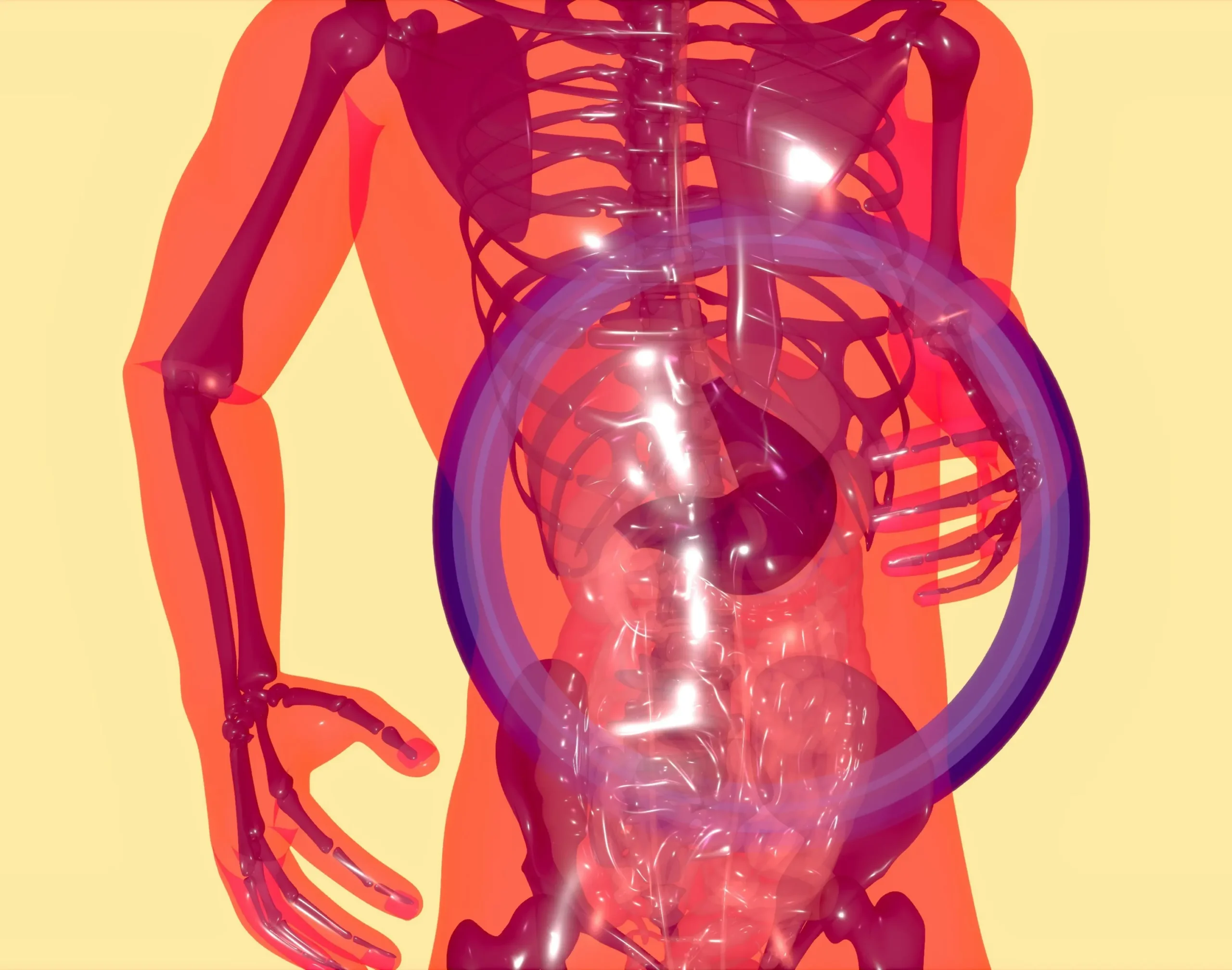
At its simplest, the microbiome refers to the trillions of microorganisms that live primarily in the digestive system. These microorganisms exist in a delicate ecosystem that plays a role in digestion, nutrient absorption, and normal bodily functions. Probiotics and prebiotics are often discussed alongside the microbiome because they are closely linked to how this internal environment is supported through diet and lifestyle.
What is the gut microbiome?
The gut microbiome is made up of a diverse collection of bacteria and other microorganisms that naturally live in the digestive tract. Far from being harmful, many of these microbes play supportive roles in everyday bodily processes. Each person’s microbiome is unique and shaped over time by factors such as diet, environment, and lifestyle.
Health organisations explain that the balance of these microorganisms can shift naturally in response to changes in routine, diet, or illness. Supporting this balance over time is one reason people are increasingly interested in gut‑focused nutrition.
The NHS explains that probiotics are commonly described as “friendly bacteria” and are often included in foods or supplements designed to support gut balance as part of a healthy lifestyle—not as medicines or treatments: https://www.nhs.uk/tests-and-treatments/probiotics/ [nhs.uk]
Probiotics: supporting the gut’s natural balance
Probiotics are live microorganisms that are commonly found in fermented foods such as yoghurt and kefir, as well as in dietary supplements. They are often discussed in the context of restoring or maintaining balance within the gut microbiome.
It’s important to understand that probiotics are not a single ingredient or strain. Different probiotic strains exist naturally in the body and in food, and they may behave differently depending on the individual. This is one reason probiotics are positioned as a form of nutritional support rather than a guaranteed solution or quick fix.
Harvard Health highlights that while probiotics may support gut balance, they are best viewed as part of overall dietary patterns rather than standalone answers to digestive health: https://www.health.harvard.edu/digestive-health/benefits-of-probiotic-foods-using-good-bacteria-for-better-health [health.harvard.edu]
Prebiotics: feeding what’s already there
Prebiotics are often mentioned alongside probiotics, but they play a different role. Rather than being live bacteria themselves, prebiotics are types of dietary fibre that the body cannot fully digest. Instead, they act as nourishment for beneficial gut bacteria already present in the digestive system.
Prebiotics naturally occur in many plant‑based foods, including vegetables, fruits, whole grains, and legumes. When these fibres reach the large intestine, they are fermented by gut bacteria, supporting the microbiome’s diversity and activity.
Understanding this relationship helps clarify why probiotics and prebiotics are frequently combined. One introduces or supports beneficial microorganisms, while the other helps sustain them through everyday nutrition.
Why probiotics and prebiotics are often used together
When probiotics and prebiotics are included together in foods or supplements, the goal is simple: support balance rather than force change. This combination is often referred to as a “synbiotic” approach, though the principle itself is straightforward—providing both useful bacteria and the nourishment they rely on.
In everyday nutrition, this same concept can come from diet alone. Diets that include a variety of fibre‑rich foods alongside fermented foods naturally support the microbiome without requiring complex routines.
Supplements and realistic expectations
Dietary supplements containing probiotics and prebiotics are widely available, but it’s essential to approach them with realistic expectations. Supplements are regulated as foods, not medicines, and they are intended to supplement the diet rather than replace healthy eating patterns.
The NHS notes that while probiotics are generally safe for healthy individuals, not all products are the same, and many health claims made about them go beyond the available evidence: https://www.nhs.uk/tests-and-treatments/probiotics/ [nhs.uk]
This is why education, transparency, and consistency matter more than promises when it comes to microbiome‑focused products.
The microbiome as part of daily wellness
Supporting the microbiome fits naturally into a broader daily wellness routine. Regular meals, adequate hydration, balanced nutrition, movement, and rest all influence digestive comfort and overall wellbeing. Probiotics and prebiotics, whether from food or supplements, are intended to complement these habits—not override them.
Rather than focusing on doing more, daily wellness works best when it focuses on consistency. Simple, repeatable choices tend to support the microbiome more effectively than short‑term or overly complex approaches.
Final thoughts
Understanding the microbiome doesn’t require advanced science or strict rules. It begins with recognising that the body is supported by a complex internal ecosystem that responds best to balance, variety, and consistency.
Probiotics and prebiotics play supportive roles in everyday nutrition by helping to maintain this balance over time. When included as part of a healthy lifestyle—alongside well‑rounded meals and sustainable daily habits—they contribute quietly and steadily to overall wellness rather than promising dramatic results.
Reputable external sources
- NHS – Probiotics
https://www.nhs.uk/tests-and-treatments/probiotics/ [nhs.uk] - Harvard Health – Benefits of Probiotic Foods
https://www.health.harvard.edu/digestive-health/benefits-of-probiotic-foods-using-good-bacteria-for-better-health [health.harvard.edu]