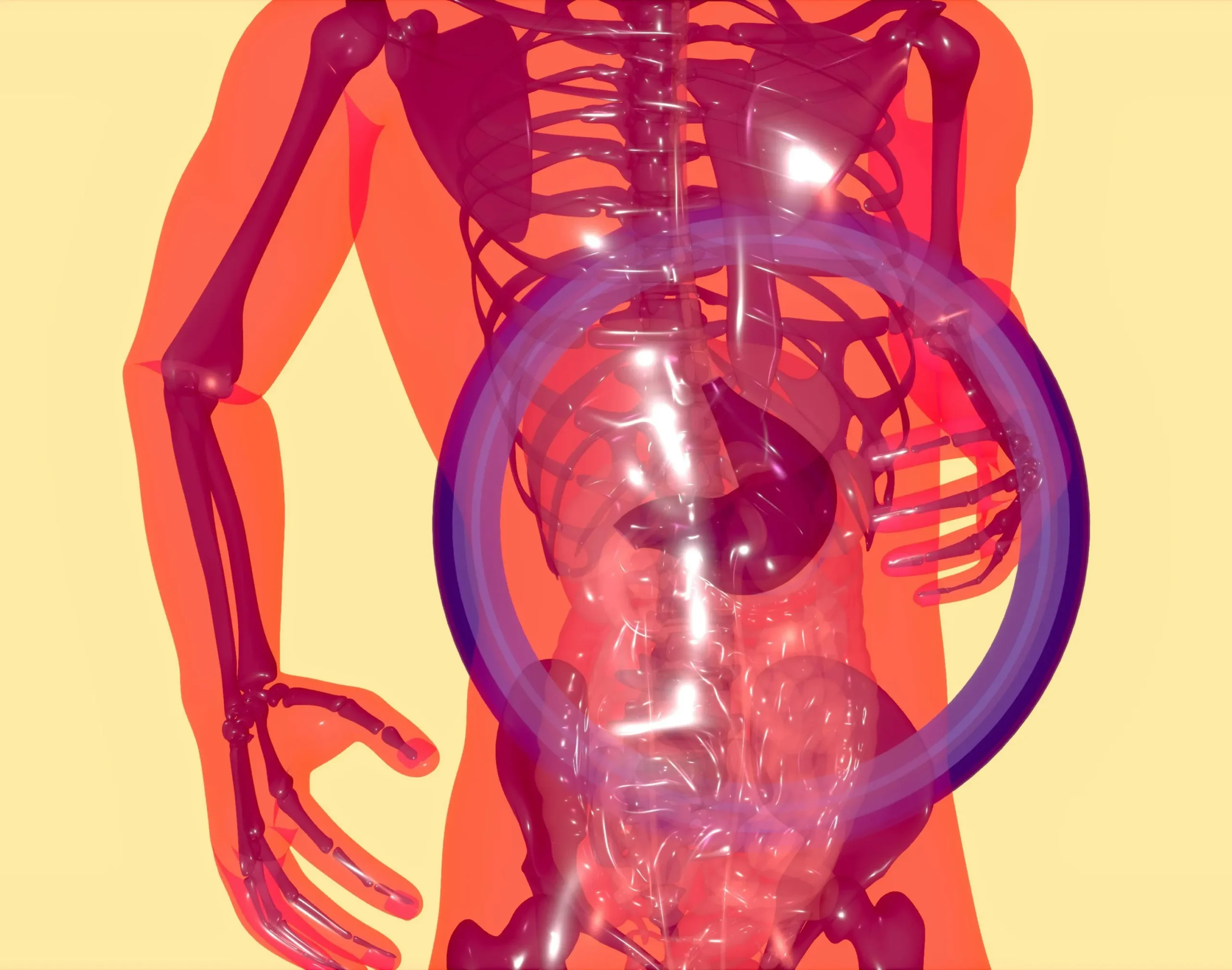

When discussions about mental wellbeing arise, attention is often placed on the brain—stress, emotions, or chemical messengers that influence how we feel. However, growing scientific interest has highlighted another important contributor: the microbiome.
The microbiome refers to the diverse community of microorganisms, primarily located in the gut, that interact with many systems in the body. While best known for supporting digestion, research suggests these microbes are also involved in communication pathways that influence mood, stress responses, and overall mental balance.
This connection operates through what researchers call the gut–brain axis—a two‑way communication system linking the digestive system and the brain. Through this pathway, gut activity may influence mental state, while stress, emotions, and lifestyle factors can also affect the gut environment.
The Microbiome: A Complex Internal Ecosystem
The human gut hosts trillions of microorganisms, including bacteria, fungi, and viruses. This microbial mix is highly individual and shaped by factors such as diet, environment, and lifestyle over time.
Beyond breaking down food, gut microbes are involved in producing certain vitamins, supporting metabolic processes, interacting with immune cells, and generating compounds that participate in nervous system signalling.
A diverse and balanced microbiome—often described as microbial balance—tends to support digestive comfort and systemic stability. When microbial balance shifts, changes may be noticed in digestion, energy levels, or general wellbeing.
Rethinking Mental Wellbeing Beyond Brain Chemistry
Mental wellbeing has traditionally been discussed in terms of brain chemistry, focusing on neurotransmitters that influence mood and motivation. While these chemical messengers are essential, they do not operate independently.
The gut communicates continuously with the brain through neural, hormonal, and immune pathways. Some neurotransmitter precursors and signalling compounds are influenced by gut activity, highlighting the microbiome’s role as a supporting partner rather than a single controlling factor.
This broader perspective helps explain why digestion, stress levels, and emotional state are often closely linked.
The Gut–Brain Axis Explained
The gut–brain axis is a communication network that allows information to move between the gut and the brain. It involves several interconnected systems:
- Nervous signals – including pathways such as the vagus nerve
- Hormonal signals – influenced by stress and circadian rhythms
- Immune signals – shaped by gut microbes and inflammatory balance
- Neurochemical signals – influenced by microbial metabolites
Through these mechanisms, the gut environment can influence how the body responds to stress and emotional challenges, while mental state can also affect digestive function.
Video Resource
Microbiome Activity and Mood Regulation
Research suggests that gut microbes can influence mood‑related pathways in several ways:
- Supporting the availability of compounds involved in serotonin pathways
- Influencing systems related to calming neurotransmitters such as GABA
- Interacting with reward and motivation pathways associated with dopamine
- Producing metabolites that influence communication between gut and brain
Rather than directly determining mood, these interactions help shape the internal environment that supports emotional regulation.
Stress and Microbial Balance
Stress affects both the mind and the gut. During periods of prolonged stress, hormonal changes may influence digestion, gut motility, and microbial composition.
At the same time, imbalance in the gut environment can feed back into stress‑response systems, making it more challenging to feel settled or resilient. This two‑way relationship helps explain why digestive discomfort and emotional strain often occur together.
Microbiome Balance and Emotional Resilience
Scientists studying anxiety and low mood have observed that microbial diversity and composition can differ between individuals. These findings have led to ongoing research into how dietary patterns, fermented foods, and specific nutrients may support gut‑brain communication.
The term psychobiotics is sometimes used in research settings to describe probiotics and prebiotics being studied for their potential role in mental wellbeing, though this field is still developing.
Cognitive Clarity and the Gut
The influence of the microbiome is not limited to mood. Gut‑derived metabolites are also involved in processes related to focus, learning, and mental clarity. When digestive balance is disrupted, people may notice reduced concentration or mental fatigue.
Supporting gut health is therefore often viewed as part of a broader lifestyle approach to maintaining cognitive wellbeing.
Everyday Signs of the Gut–Mind Link
Many common experiences highlight the connection between gut and mind, such as:
- Digestive changes during stressful periods
- Feeling unsettled after irregular sleep or dietary changes
- Shifts in energy or focus following illness or antibiotics
These everyday patterns illustrate how closely the digestive system and emotional state are connected.
Factors That May Affect Gut–Brain Balance
Several modern lifestyle habits can influence microbial diversity, including:
- Frequent antibiotic use
- Diets low in fibre and high in ultra‑processed foods
- Ongoing stress or irregular sleep
- Limited physical activity
Awareness of these factors can help guide healthier long‑term routines.
Supporting the Microbiome as Part of Mental Wellbeing
Many people choose to support gut health through consistent daily habits:
1. Eat for Microbial Diversity
- Include a wide range of fruits, vegetables, legumes, and whole grains
- Add naturally occurring prebiotic foods such as onions, garlic, and bananas
2. Include Fermented Foods
- Yogurt, kefir, sauerkraut, kimchi, miso, and similar foods contain live cultures
3. Consider Targeted Supplements
- Some individuals choose probiotic or prebiotic supplements as part of a routine, depending on personal needs
4. Support Lifestyle Balance
- Regular movement, adequate sleep, and stress‑management practices help support both gut and mental balance
Looking Ahead: Ongoing Microbiome Research
Interest in the gut–brain connection continues to grow. Researchers are exploring a variety of microbiome‑focused strategies, including postbiotics and dietary interventions, to better understand how gut balance may support mental resilience.
While research is ongoing, the link between digestive health and emotional wellbeing is now widely recognised as an important area of study.
Summary
Mental wellbeing is shaped by more than thoughts and emotions alone—it is influenced by the complex interactions between the brain, gut, and microbiome. This internal ecosystem plays a supporting role in how the body responds to stress, regulates mood, and maintains clarity.
By prioritising balanced nutrition, restorative sleep, regular movement, and mindful stress management, individuals can support their microbiome as part of a holistic approach to mental wellbeing.
When thinking about mental health, it may be helpful to look beyond the brain alone—and consider the gut as a key partner in long‑term balance and resilience.